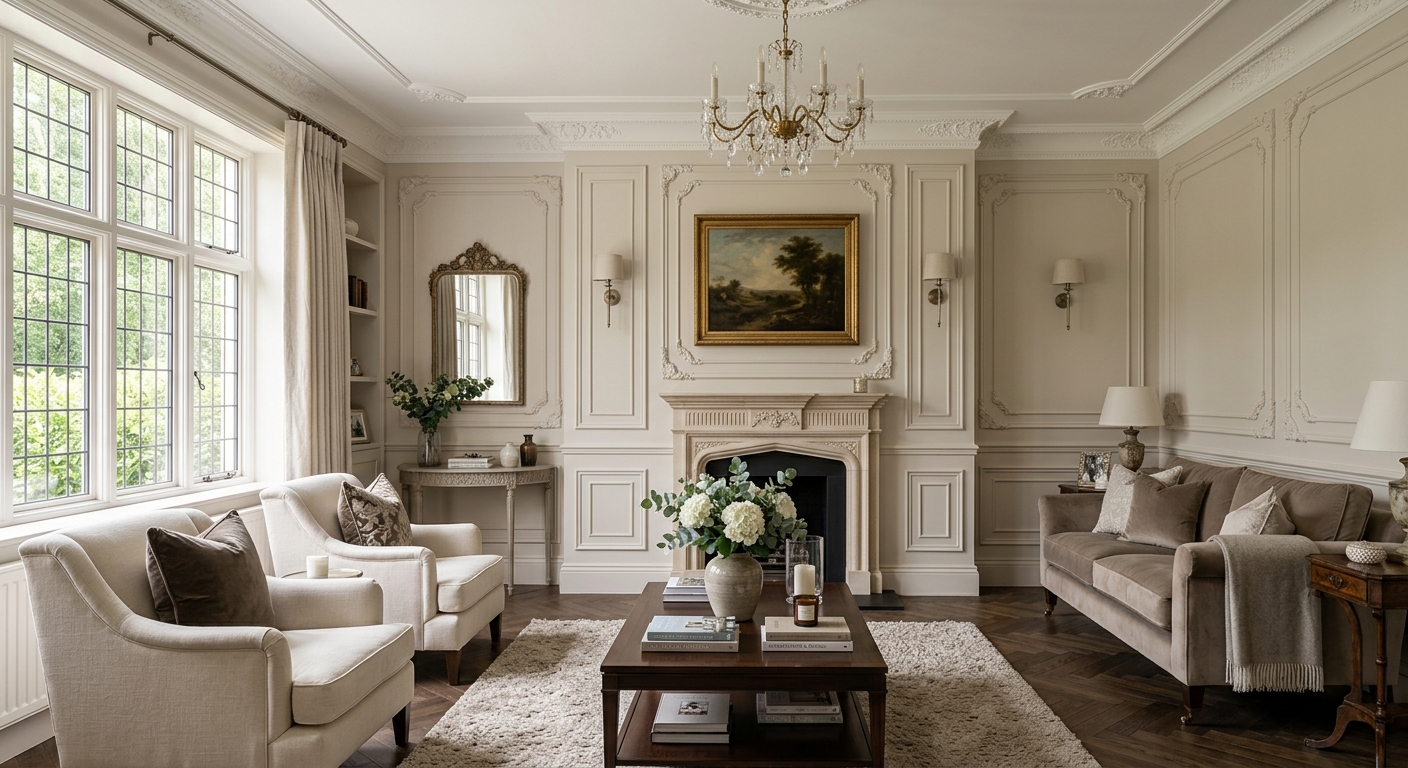
Wall design plays an important role in creating a room that feels balanced, welcoming, and visually appealing. While paint and wallpaper can change the atmosphere, decorative details often bring the entire interior together. panel molding is a versatile design feature that works beautifully across different interior styles, from traditional homes filled with timeless character to contemporary spaces that favor simplicity. With the right layout, it can add depth, structure, and elegance without overwhelming the room.
Classic Rooms: Embracing Timeless Elegance
Classic interiors are known for their refined details, balanced proportions, and traditional decorative elements. Panel molding fits naturally into these spaces because it creates organized wall sections that complement elegant furniture, rich fabrics, and sophisticated color palettes.
For a classic room, rectangular frames arranged symmetrically are an excellent choice. Larger panels can be positioned along the main walls, while smaller frames may be used around doorways or beneath windows. This approach creates a sense of order and makes the room feel thoughtfully designed.
White, cream, and soft beige molding are popular options for traditional interiors. When paired with deep green, navy blue, or warm neutral walls, these details become more noticeable while maintaining a refined appearance. The key is to preserve consistent spacing between panels and ensure that the layout complements the room's architectural features.
Neoclassical Rooms: Balancing Ornament and Simplicity
Neoclassical interiors combine the grandeur of classical architecture with a more restrained and organized aesthetic. Rather than filling every surface with decoration, this style relies on symmetry, clean lines, and carefully selected details.
Panel layouts for neoclassical rooms should emphasize proportion and visual harmony. Tall rectangular frames can make ceilings appear higher, while evenly spaced panels help create a balanced impression across wide walls. Decorative molding can also be combined with subtle cornices, ceiling medallions, and understated furniture to establish a cohesive look.
Color selection is equally important. Ivory, warm white, pale gray, and muted beige work well in neoclassical settings. For a more contemporary interpretation, darker wall colors can provide contrast against light molding.
Avoid using too many different profile shapes in one room. A consistent design language allows the decorative elements to feel connected rather than competing for attention. Even relatively simple molding profiles can produce an impressive result when their proportions are carefully planned.
Modern Rooms: Creating Clean and Minimalist Lines
Modern interiors often prioritize functionality, open spaces, and uncluttered surfaces. However, this does not mean that decorative wall details have no place in contemporary design. When used thoughtfully, panel molding can introduce texture and dimension while preserving a clean appearance.
For modern rooms, consider large rectangular panels, narrow profiles, and layouts with generous spacing. Instead of covering every wall, focus on one feature wall behind a sofa, bed, or dining table. This creates a visual focal point without making the space feel busy.
Monochromatic designs are particularly effective. Painting the molding and wall in the same color creates subtle shadows that reveal the panel structure without introducing strong contrasts. White-on-white, gray-on-gray, and soft earth-tone combinations are suitable choices for understated interiors.
Furniture placement should also influence the layout. Panels positioned behind furniture can frame the arrangement and make it feel more intentional. Before installation, measure the wall carefully and account for electrical outlets, switches, doors, and windows.
How to Choose the Right Layout
The best molding arrangement depends on ceiling height, wall width, furniture dimensions, and the overall interior style. Large rooms can accommodate broader panels, while smaller spaces often benefit from simpler layouts with fewer decorative sections.
Start by measuring the wall and marking the proposed panel positions. Maintain consistent gaps between frames and leave sufficient space around corners, ceilings, and baseboards. Creating a paper template or drawing a scaled plan can help identify proportion problems before installation begins.
Material selection also matters. Lightweight decorative profiles, including polyurethane options, can provide an attractive finish while offering flexibility for different interior applications. Choose profiles that suit the intended style and follow the manufacturer's installation recommendations.
Final Thoughts
Panel molding can transform an ordinary wall into a distinctive architectural feature. Classic rooms benefit from traditional symmetry, neoclassical spaces rely on balanced proportions, and modern interiors look best with clean lines and restrained layouts. By considering the room's dimensions, colors, and furnishings before installation, homeowners can create decorative walls that feel harmonious, practical, and visually timeless.
#DecorativeMolding #HomeDecor